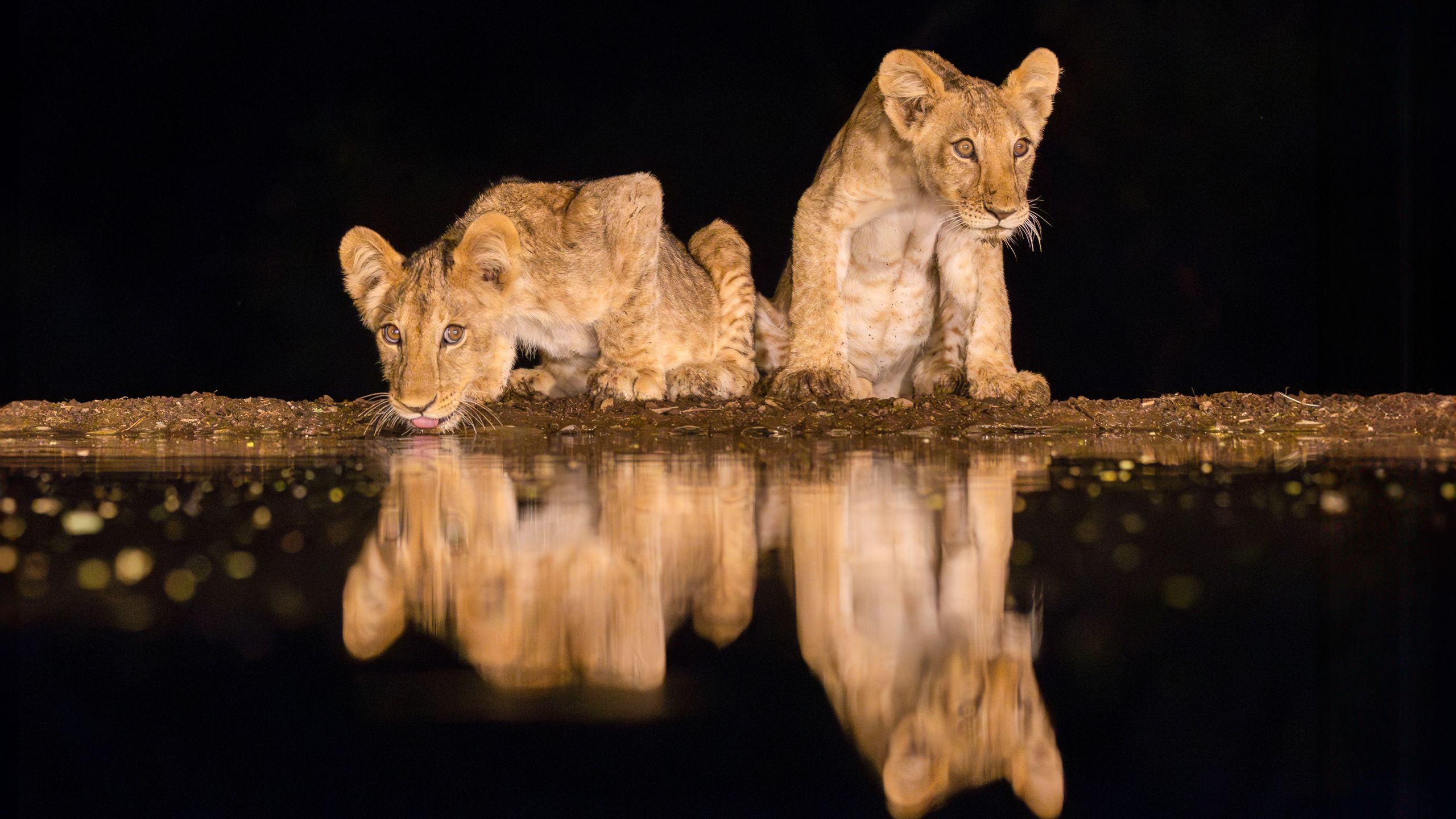
As night falls over the African savannah, a new trend in safari tourism known as noctourism is gaining popularity among wildlife enthusiasts and photographers. Traditionally, safaris focused on daytime wildlife viewing, but recent developments have introduced the possibility of exploring the wilderness after sunset, revealing a different side of Africa's rich biodiversity.
This innovative approach offers photographers the chance to capture nocturnal animals in their natural habitats, showcasing behaviors and interactions that are rarely seen during daylight hours. With the use of specialized equipment such as night-vision cameras, infrared lighting, and low-light lenses, photographers can now document elusive species like leopards, hyenas, and various owl and bat species in their active hours.
The rise of noctourism is driven by advancements in technology and a growing interest in understanding the full spectrum of wildlife activity. Tour operators are now designing night safaris that prioritize safety and environmental sustainability, ensuring minimal disturbance to the animals. These excursions often take place in protected reserves where guides are trained to handle the challenges of night-time wildlife observation.
One of the key attractions of noctourism is the opportunity to witness behaviors that are impossible to observe during the day. For example, predators hunting under the cover of darkness, nocturnal foraging activities, and the communication patterns of animals like lions and elephants. Such experiences not only enrich the photographic portfolio of participants but also contribute to scientific research and conservation efforts by providing new insights into animal behavior.
However, noctourism also presents challenges, including the need for specialized equipment, trained guides, and strict safety protocols. The delicate balance between tourism and conservation must be maintained to prevent habitat disturbance and ensure the well-being of wildlife. Responsible tourism practices are essential to sustain this emerging trend and protect Africa’s natural heritage.
As this trend continues to grow, it is expected to influence the future of safari tourism significantly. Photographers and wildlife enthusiasts are increasingly seeking out these night-time adventures, eager to capture the mysterious and often unseen aspects of Africa’s wildlife. With ongoing technological innovations and a focus on sustainable practices, noctourism promises to open new frontiers in wildlife photography and conservation.